Vanessa Hoge
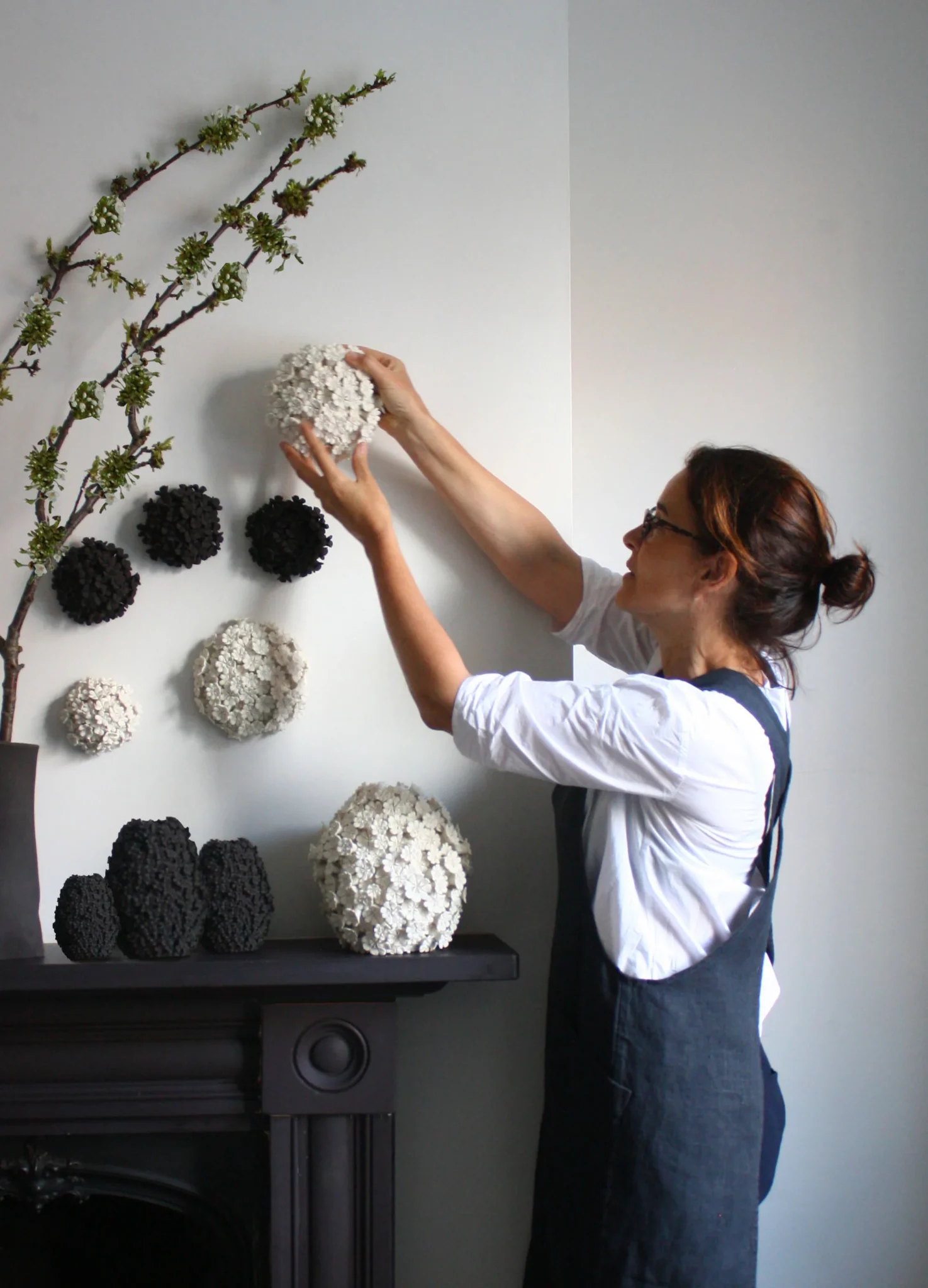
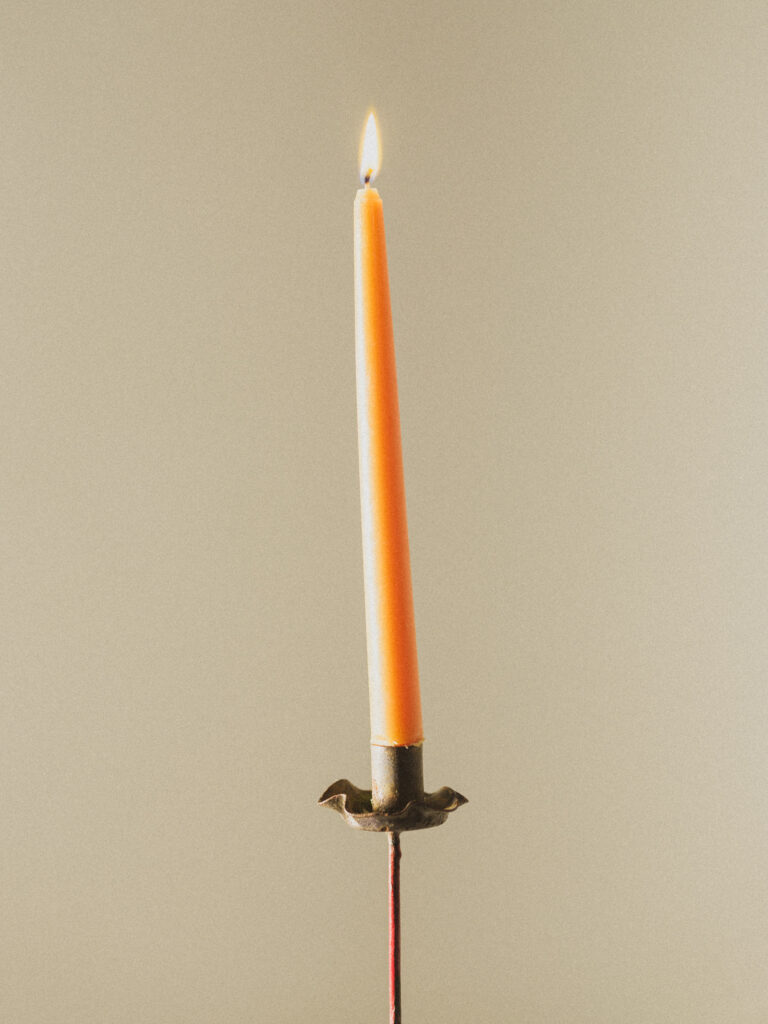
IMAGE
Candel shot by Marcus
In conversation with
Vanessa Hogge
Canvas Let’s start broad – why did you want to become a photographer?
VANESSA In many ways it came out of necessity. I’ve always found conventional 9 to 5 roles a bit stifling, too repetitive, lacking variety or a sense of momentum. Photography gives me the balance I need: time in the studio paired with time on location, routine blended with discovery. Each shoot takes me to new places, introduces me to new people, and presents new creative challenges. There’s always something to work towards, and that sense of progression, of always “chasing” something, suits my temperament. It keeps me focused and creatively energised.
Canvas In this series we’re interested in how design professionals inspire or collaborate with each other. How collaborative is your process?
VANESSA Very. While some clients are happy to let me work independently, the majority are closely involved throughout. There’s usually a lot of back and forth before shoot day to align on mood, direction, and what the images need to communicate. On the day, if there isn’t a stylist or assistant, the client and I often collaborate directly, moving pieces around, making decisions in real time. It’s an organic process and a good way to build rapport. The dialogue continues into post-production too, and in some cases long after delivery, especially if magazines want to feature the work.
Canvas Other than fellow photographers, which creatives inspire your work?
VANESSA I often draw inspiration from filmmakers, graphic designers, and painters, especially when it comes to composition, colour, or atmosphere. I recently got tattooed by an artist whose studio was filled with his own canvas work. It was beautiful, the kind of thing you’d expect to find carefully curated in a home or gallery. It had a timeless quality, and I left with a sense of how much character and restraint can exist in a single image. Little experiences like that linger in the back of my mind and inevitably feed into my work.
Canvas People can see from the selection of your work on our website that you have an aesthetic. When you’re starting out, how do you go about developing one?
VANESSA Shoot as much as possible. Look at the work of others. Work out what resonates with you and try to make something in that spirit. Then do it badly, get frustrated, and try again. It’s a slow process of trial, error, and refinement. Over time, your taste becomes more defined, and with enough repetition, your aesthetic starts to emerge naturally. It’s an ongoing process. You land somewhere you like, then outgrow it, and begin again.
Canvas Have there been any recent milestones or standout moments for you this year?
VANESSA One recent highlight was being commissioned by the New York Times to photograph an interiors piece. It was a brilliant experience, both in terms of the creative challenge and the visibility it brings. Working with them was a milestone for me, and a nice reminder that the quieter, consistent work behind the scenes does eventually open doors. It’s encouraging and energising for what’s next.
Canvas What are the rewards of being self-employed?
VANESSa The autonomy. I get to choose the projects I want to pursue and prioritise the kind of work I find meaningful. I’m guided by my own intuition, and if something doesn’t feel right, I have the freedom to step away from it. That flexibility is invaluable..
Canvas As a recruitment agency we’re interested in employment. Being self-employed you don’t get, for instance, sick pay. Are there other disadvantages?
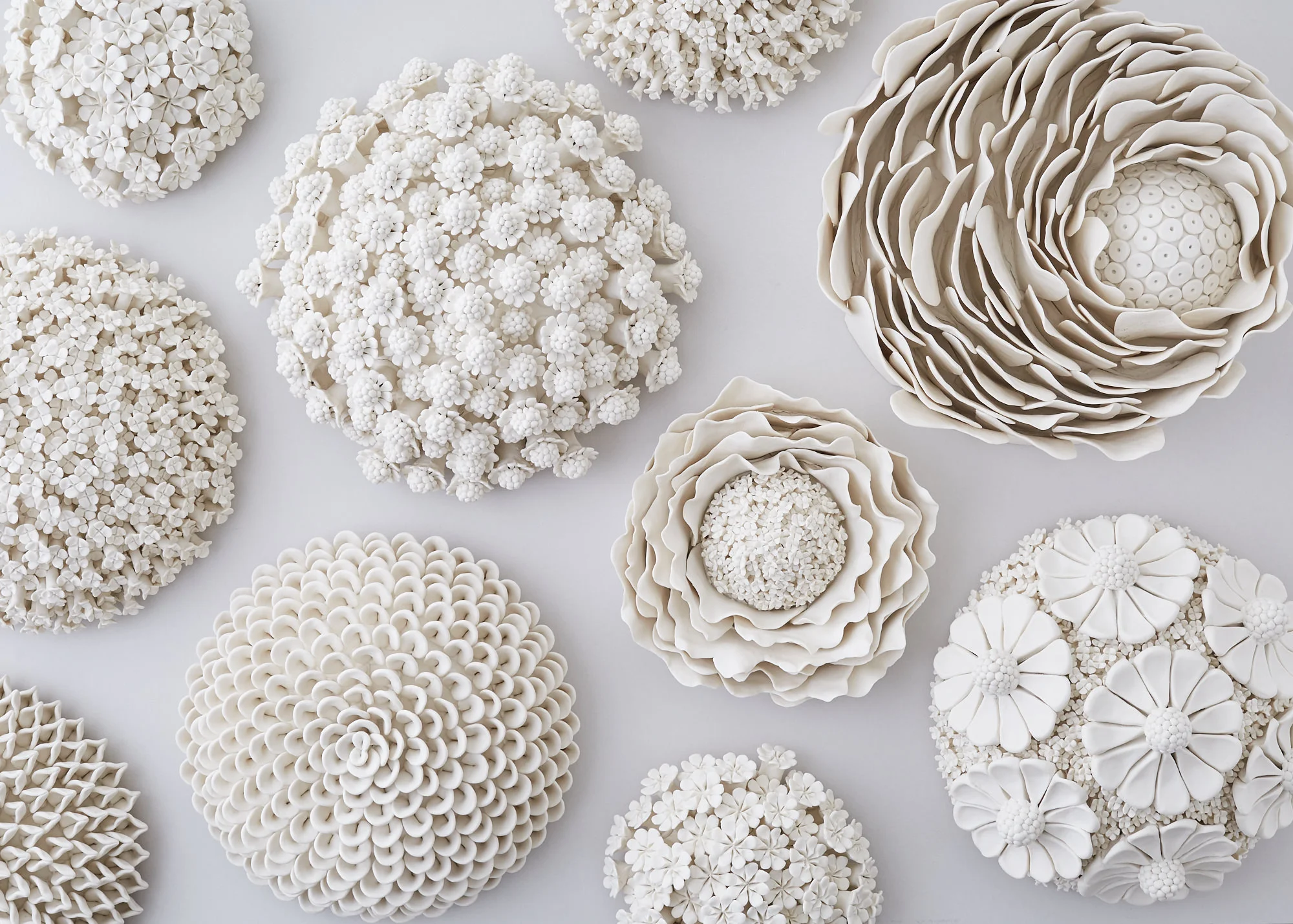
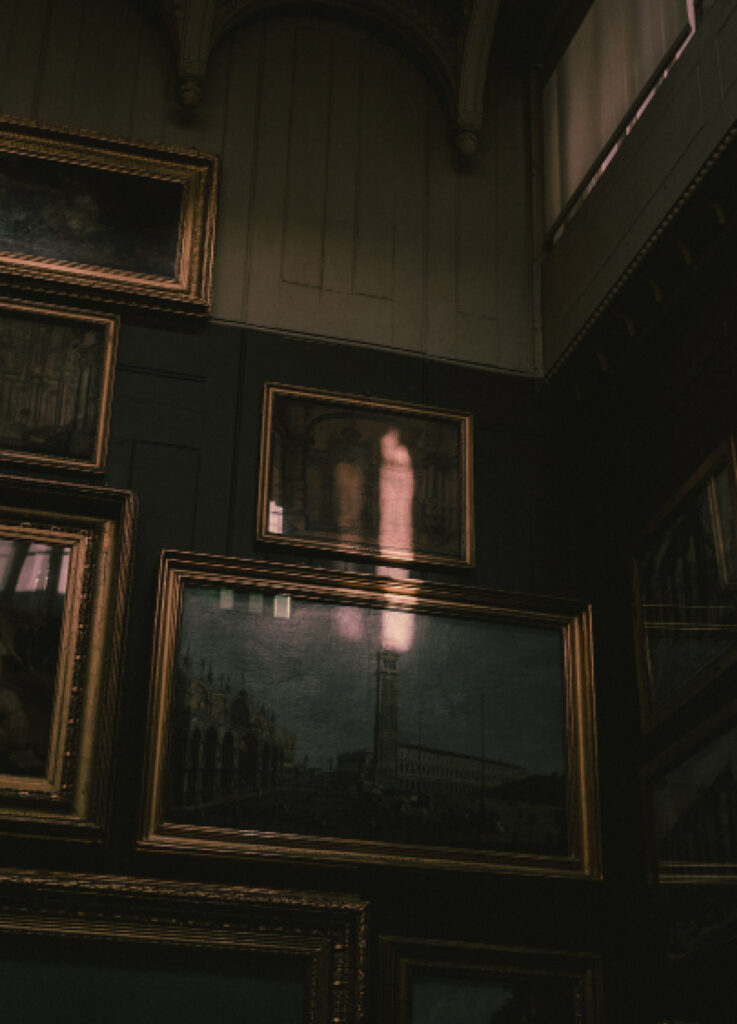
IMAGES
Left: Caption
Right:Caption
Over time, your taste becomes more defined, and with enough repetition, your aesthetic starts to emerge naturally. It’s an ongoing process. You land somewhere you like, then outgrow it, and begin again.
Marcus Definitely, there are many. For me, the main downside is not having other creatives around on a daily basis to bounce ideas off. There’s no built-in team to spark off creatively, which can be isolating. But I’ve found ways to create that community through collaborators and ongoing client relationships.
Canvas Rounding out on how creatives influence one another, who influences your work??
Marcus It’s mostly other photographers. Not just their final images, but their process, how they light a space, what setups they’re using, how they compose, etc. Some names I always come back to are Robert Rieger, Mark Anthony Fox, William Jess Laird, Rich Stapleton, Maureen M. Evans, and François Halard. Each has a distinct voice, and I find myself studying their work carefully, they blow me away.
I could list many more.
Canvas Finally, you took our photos recently. What were we like as subjects?
Marcus Honestly, I’ve had trickier shoots with chairs. You were amazing, relaxed, poised, camera ready, skin skinning and hair hairing. Dinner and questionable karaoke to end the day. What’s not .
IMAGES
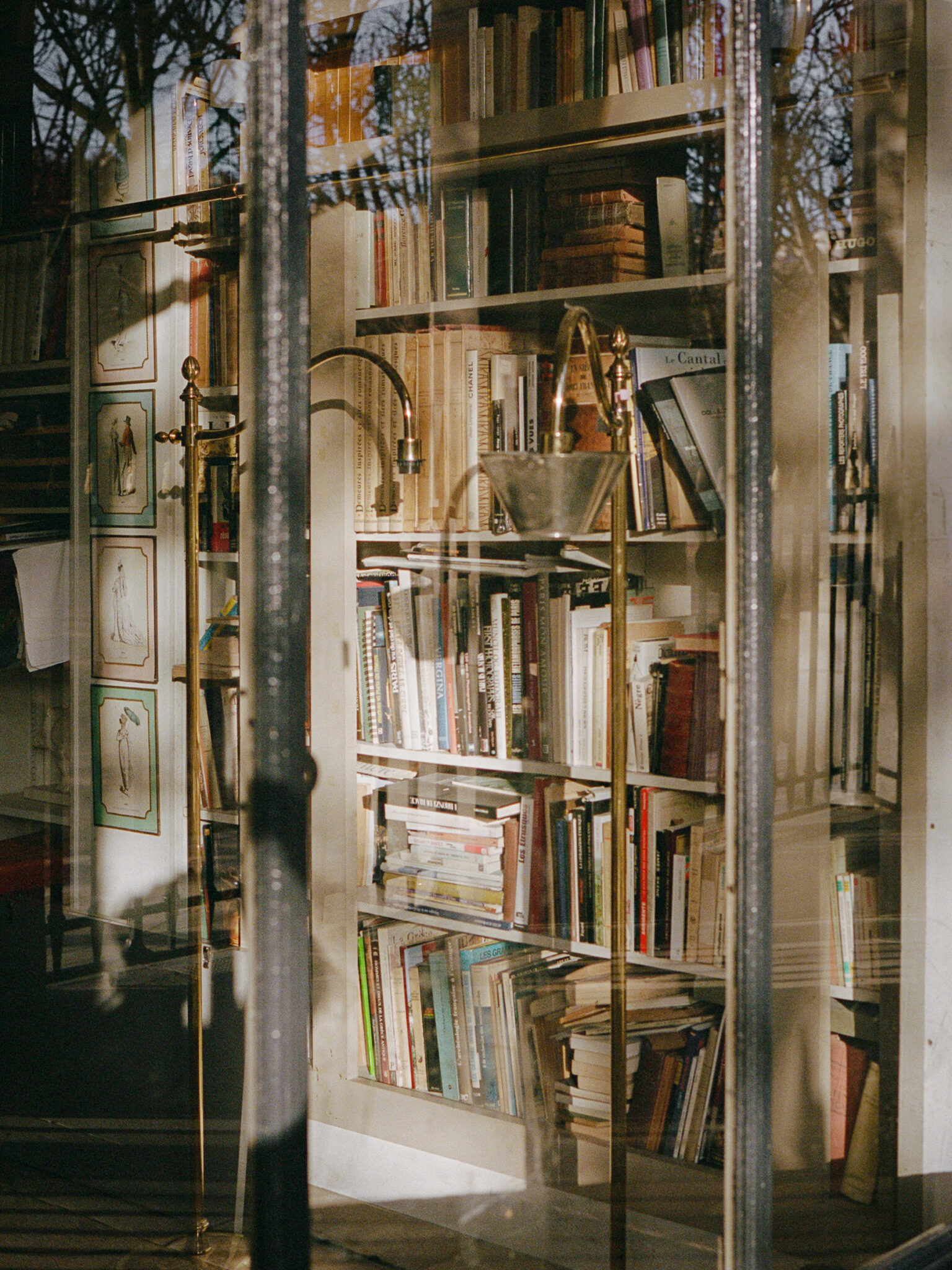
View of the library
IMAGES
Left: Caption
Middle: Caption
Right: Caption
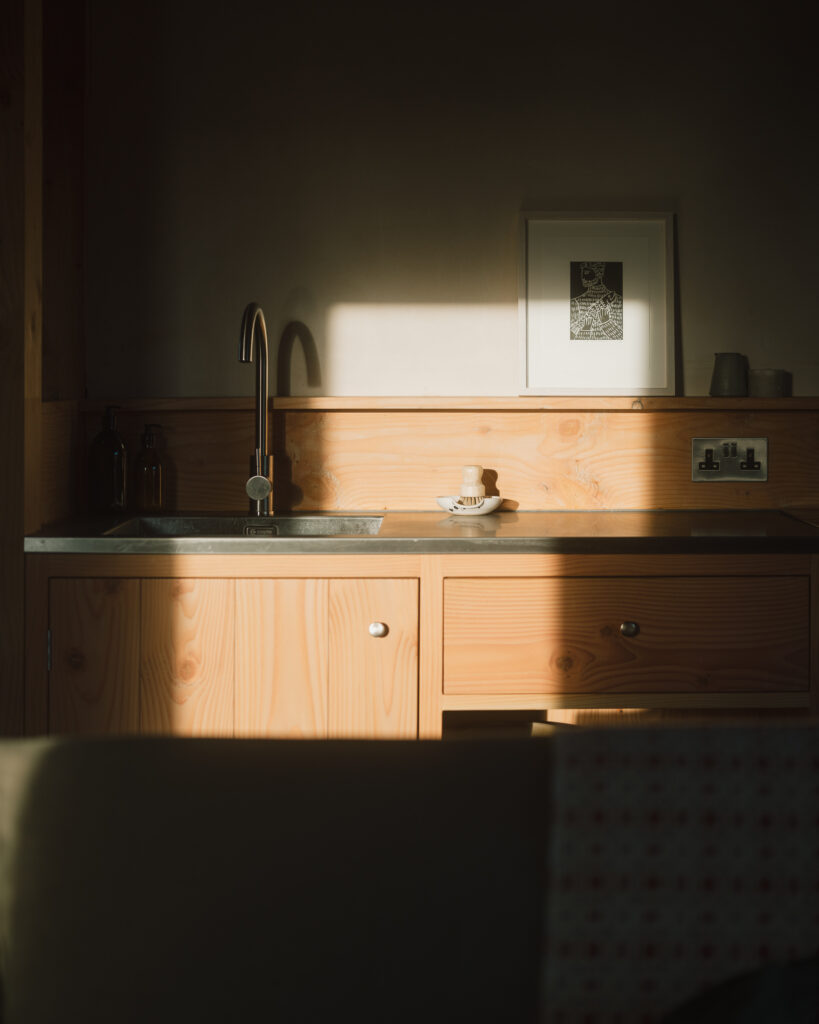
IMAGES
Left: Caption
Right: Caption
Canvas Let’s start broad why did you want to become a photographer?
Marcus In many ways it came out of necessity. I’ve always found conventional to roles a bit stifling, too repetitive, lacking variety or a sense of momentum. Photography gives me the balance I need time in the studio paired with time on location, routine blended with discovery. Each shoot takes me to new places, introduces me to new people, and presents new creative challenges. There’s always something to work towards, and that sense of progression, of always “chasing” something, suits my temperament. It keeps me focused and creatively energised.
Canvas In this series we’re interested in how design professionals inspire or collaborate with each other. How collaborative is your process?
Marcus Very. While some clients are happy to let me work independently, the majority are closely involved throughout. There’s usually a lot of back and forth before shoot day to align on mood, direction, and what the images need to communicate. On the day,
if there isn’t a stylist or assistant, the client and I often collaborate directly, moving pieces around, making decisions in real time. It’s an organic process and a good way to build rapport. The dialogue continues into post-production too, and in some cases long after delivery, especially if magazines want to feature the work.
Canvas Other than fellow photographers, which creatives inspire your work?
Marcus I often draw inspiration from filmmakers, graphic designers, and painters, especially when it comes to composition, colour, or atmosphere. I recently got tattooed by an artist whose studio was filled with his own canvas work. It was beautiful, the kind of thing you’d expect to find carefully curated in a home or gallery. It had a timeless quality, and I left with a sense of how much character and restraint can exist in a single image. Little experiences like that linger in the back of my mind and inevitably feed into my work.
Canvas People can see from the selection of your work on our website that you have an aesthetic. When you’re starting out, how do you go about developing one?
Marcus Shoot as much as possible. Look at the work of others. Work out what resonates with you and try to make something in that spirit. Then do it badly, get frustrated, and try again. It’s a slow process of trial, error, and refinement. Over time, your taste becomes more defined, and with enough repetition, your aesthetic starts to emerge naturally. It’s an ongoing process. You land somewhere you like, then outgrow it, and begin again.
Canvas Have there been any recent milestones or standout moments for you this year?
Marcus One recent highlight was being commissioned by the New York Times to photograph an interiors piece. It was a brilliant experience, both in terms of the creative challenge and the
visibility it brings. Working with them was a milestone for me, and a nice reminder that the quieter, consistent work behind the scenes does eventually open doors. It’s encouraging and energising for
what’s next.
Canvas What are the rewards of being self-employed?
Marcus The autonomy. I get to choose the projects I want to pursue and prioritise the kind of work I find meaningful. I’m guided by my own intuition, and if something doesn’t feel right, I have the freedom to step away from it. That flexibility is invaluable.
Canvas As a recruitment agency we’re interested in employment. Being self-employed you don’t get, for instance, sick pay. Are there other disadvantages?